 16 min read
Wellness habits: 10 small changes that make a big difference in your life
 Equipo TriwellFebruary 25, 202616 min
<p>What if I told you that you don't need a revolution in your life to feel radically better? Science confirms it again and again: <strong>the most transformative changes aren’t the most dramatic, but the most consistent ones</strong>. A tweak here, a conscious decision there, and suddenly your body, mind, and energy respond in ways you never thought possible.</p>
<p>At Triwell, we believe wellness shouldn’t feel like a final exam. It’s more like learning to cook: you start with the basics, experiment, and each little success gives you confidence for the next step. Today we bring you <strong>10 habits backed by scientific evidence</strong> you can start implementing this very week. No extreme diets, no impossible routines, no snake-oil gurus.</p>
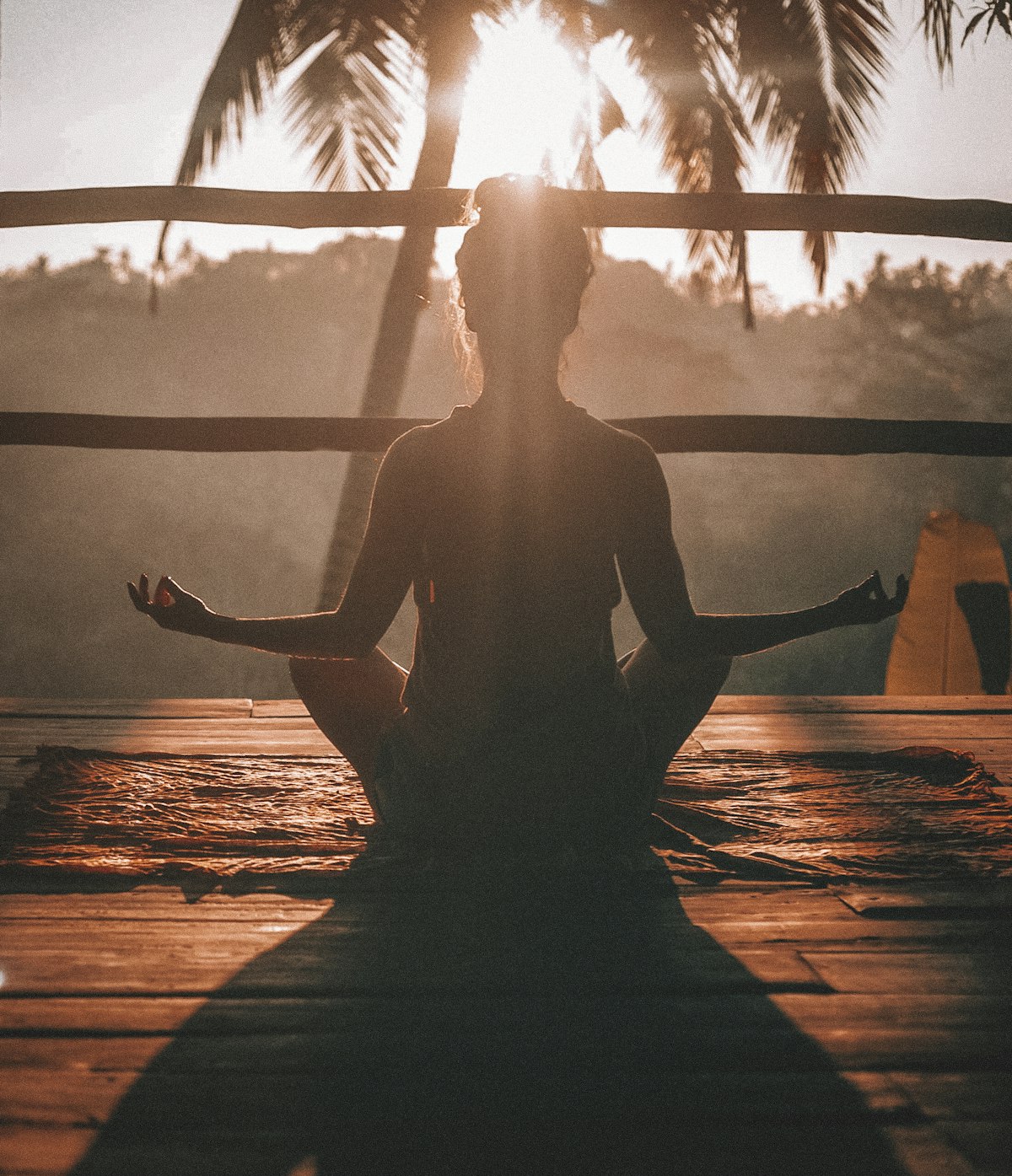
<h2>1. The 2-Minute Morning Sun Rule</h2>
<p>Before checking your phone, before coffee, before anything: <strong>step outside and get at least 2–10 minutes of natural light</strong>. This habit, popularized by Stanford neuroscientist Andrew Huberman, profoundly impacts your circadian rhythm.</p>
<p>Morning sunlight exposure activates the intrinsically photosensitive ganglion cells in your retina, which send direct signals to the <strong>suprachiasmatic nucleus</strong>—your brain’s master clock. This triggers a precise hormonal cascade:</p>
<ul> <li><strong>Healthy morning cortisol:</strong> An early cortisol spike (yes, cortisol isn’t always bad) gives you natural energy and alertness</li> <li><strong>Timed melatonin:</strong> Morning light “programs” your body to release melatonin 14–16 hours later, dramatically improving your sleep</li> <li><strong>Activated serotonin:</strong> Sunlight stimulates production of serotonin, the “well-being” neurotransmitter</li> </ul>
<p>A study published in <em>Sleep Health</em> (2023) found that people who got sunlight in the first 30 minutes of the day slept <strong>46 minutes longer</strong> and reported 20% more energy during the day. Two minutes. Free. No subscription.</p>
<h2>2. Mindful Hydration: The Glass of Water Before Anything</h2>
<p>Your body loses between 500ml and 1 liter of water overnight just through breathing and perspiration. When you wake up, you are <strong>slightly dehydrated</strong>, and that affects everything: concentration, energy, digestion, and even your mood.</p>
<p>The habit is simple: <strong>a large glass of water (400–500ml) as your first action of the day</strong>, ideally before any coffee or food. Why before coffee? Because caffeine is diuretic and can worsen your morning dehydration if you don’t hydrate first.</p>
<p>Research from the University of East London showed that drinking 500ml of water improved <strong>cognitive performance by 14%</strong> and reaction speed by 12% in people who reported feeling thirsty. The European Journal of Nutrition reported similar data: mild dehydration (1–2% of body weight) reduces concentration and increases the perception of fatigue.</p>
<p><strong>Triwell Tip:</strong> Add a slice of lemon or a pinch of unrefined sea salt. Sodium helps cellular absorption of water, making hydration more effective.</p>
<h2>3. The 10-Minute Post-Meal Walk</h2>
<p>This is probably the habit with the best effort-to-benefit ratio on the whole list. Walking <strong>10–15 minutes after eating</strong>—especially after lunch or dinner—has amazing metabolic effects.</p>
<p>A meta-analysis published in <em>Sports Medicine</em> (2022) reviewed 7 studies and concluded that walking after a meal <strong>reduces blood glucose spikes by up to 50%</strong> compared to sitting or lying down. That’s not trivial: repeated glucose spikes are linked to insulin resistance, chronic inflammation, and post-meal fatigue (that slump after eating).</p>
<p>The mechanism is elegant: when you walk, your muscles absorb glucose directly from the bloodstream <strong>without needing insulin</strong> (GLUT4 transport). It’s like opening a pressure valve for blood sugar.</p>
<p>Additional documented benefits:</p> <ul> <li>Improves digestion and reduces acid reflux</li> <li>Stimulates intestinal peristalsis</li> <li>Reduces post-meal blood pressure</li> <li>Improves mood (the cumulative effect of movement)</li> </ul>
<p>You don’t need workout clothes or a park. It’s enough to take a lap around the block or walk down the office hallway.</p>
<h2>4. The 4-7-8 Technique: Your Stress Reset Button</h2>
<p>Developed by Dr. Andrew Weil and based on the ancient pranayama practice, the 4-7-8 breathing technique is one of the fastest tools to activate your <strong>parasympathetic nervous system</strong>—the "rest and digest" branch that counteracts the stress response.</p>
<p>The technique is simple:</p> <ol> <li><strong>Inhale</strong> through your nose for 4 seconds</li> <li><strong>Hold</strong> your breath for 7 seconds</li> <li><strong>Exhale</strong> through your mouth for 8 seconds</li> <li>Repeat 4 cycles</li> </ol>
<p>Why does it work? The prolonged exhale stimulates the <strong>vagus nerve</strong>, which slows heart rate, lowers blood pressure, and reduces cortisol levels. A study in <em>Frontiers in Human Neuroscience</em> (2023) showed that breathing techniques with extended exhalation reduced state anxiety by <strong>28%</strong> in just 5 minutes.</p>
<p>Use it before bed, in a traffic jam, before a big presentation, or simply whenever you feel stress rising. It’s invisible, free, and works in under 2 minutes.</p>
<h2>5. Micro-Doses of Nature: The 20-Minute Effect</h2>
<p>You don’t have to climb a mountain or go for a 4-hour hike. Research shows that <strong>20 minutes in a natural environment</strong>—a park, garden, even a tree-lined street—are enough to significantly reduce cortisol.</p>
<p>A landmark study published in <em>Frontiers in Psychology</em> (2019) by MaryCarol Hunter from the University of Michigan found that spending 20–30 minutes in nature reduces salivary cortisol by <strong>28.1%</strong> per hour of exposure. They called it the “nature pill,” and the great part is you don’t need to exercise: just being present in a green environment is enough.</p>
<p>The Japanese have a name for this: <strong>shinrin-yoku</strong> (forest bathing). Researchers at Chiba University showed that shinrin-yoku reduces systolic blood pressure, lowers cortisol, and increases NK (natural killer) cell activity, a key part of your immune system.</p>
<p><strong>Practical tip:</strong> If you can’t go outside, studies show that even looking at images of nature or having plants in your workspace lowers perceived stress. But the real-life version, with fresh air and natural sounds, is unbeatable.</p>
<h2>6. The 20-20-20 Rule for Your Eyes (and Your Brain)</h2>
<p>If you spend more than 2 hours a day in front of a screen—and let’s be honest, most of us spend much more—this habit can transform your visual comfort and productivity.</p>
<p>The rule is simple: <strong>every 20 minutes, look at something 20 feet (6 meters) away for 20 seconds</strong>.</p>
<p>The American Optometric Association recommends this to prevent <strong>computer vision syndrome</strong>, which affects 50-90% of office workers. But the benefit goes beyond eyesight: each 20-second pause acts as a <strong>micro-attention reset</strong>.</p>
<p>Researchers at the University of Illinois found that short but frequent breaks help maintain sustained performance on cognitive tasks, while uninterrupted attention drops exponentially after 20–25 minutes. It’s no coincidence that the Pomodoro technique works with similar intervals.</p>
<p>Bonus: when you gaze at a distance, your ciliary muscle relaxes and your visual system gets a break from the constant strain of near focus. Your eyes will thank you.</p>
<h2>7. Gratitude Journal: 3 Things Before Bed</h2>
<p>This might sound like a self-help cliché, but the science behind gratitude is solid and growing. Writing down <strong>3 things you’re grateful for</strong> before sleep—even as simple as "the coffee was good" or "my friend called me"—literally rewires your brain circuits.</p>
<p>Dr. Robert Emmons from UC Davis, probably the world’s leading gratitude researcher, has shown in multiple studies that a regular gratitude practice:</p>
<ul> <li>Increases reported happiness by <strong>25%</strong></li> <li>Improves sleep quality (you fall asleep faster and sleep deeper)</li> <li>Reduces depressive symptoms</li> <li>Boosts immune system</li> <li>Increases resilience to stress</li> </ul>
<p>A 2023 study in the <em>Journal of Positive Psychology</em> used neuroimaging to show that gratitude practice activates the <strong>ventromedial prefrontal cortex</strong> and the <strong>nucleus accumbens</strong>—areas associated with decision-making, learning, and reward. Basically, training gratitude recalibrates your brain to notice the positive.</p>
<p>No fancy journal needed. Your phone notes work perfectly. What matters is consistency.</p>
<h2>8. Intentional Social Contact: The Forgotten Vitamin</h2>
<p>Loneliness isn’t just an uncomfortable feeling—it’s a <strong>health risk factor</strong> comparable to smoking 15 cigarettes a day. This number, published by Julianne Holt-Lunstad in <em>PLOS Medicine</em>, shook the public health world and led the US Surgeon General to declare loneliness an epidemic in 2023.</p>
<p>The habit isn’t "be more social" (which is vague and useless). It’s something concrete: <strong>at least one meaningful interaction per day</strong>. It can be a 5-minute call to a friend, a real conversation with a coworker, or a voice message to someone you care about.</p>
<p>The key is in the word <em>meaningful</em>. Likes on Instagram don’t count. Emojis on WhatsApp, barely. What your brain needs is <strong>real connection</strong>: voice, presence, reciprocity.</p>
<p>Harvard University studies (the famous Harvard Study of Adult Development, running for over 85 years) confirm that relationship quality is the <strong>number one predictor of health and longevity</strong>—more than genetics, diet, or exercise.</p>
<p><strong>Triwell Tip:</strong> Set a weekly alarm to reach out to someone you haven’t seen in a while. A simple "hey, I thought of you" message has more power than you think.</p>
<h2>9. The 60-Minute Digital Fast Before Bed</h2>
<p>Your smartphone is probably the biggest threat to your sleep, and not just because of blue light (which, by the way, night filters only partially mitigate). The real issue is <strong>cognitive stimulation</strong>.</p>
<p>Every notification, every social media scroll, every work email triggers your alert system. Your brain goes into processing and vigilance mode—the exact opposite of what you need to sleep.</p>
<p>A study from the University of Haifa published in <em>Sleep Medicine</em> found that screen use before bed <strong>reduces REM sleep duration</strong>, the most important phase for memory consolidation and emotional regulation. Another study in <em>PNAS</em> showed that using light-emitting devices before bed suppresses melatonin by <strong>55%</strong> and delays your circadian rhythm by 1.5 hours.</p>
<p>The habit: <strong>turn off screens 60 minutes before your bedtime</strong>. What to do with that hour? Read a physical book, talk, stretch, meditate, prep your clothes for the next day, listen to a relaxing podcast (with your eyes closed). After a week, you’ll notice the difference.</p>
<h2>10. Non-Exercise Movement: Activate Your NEAT</h2>
<p>NEAT stands for <em>Non-Exercise Activity Thermogenesis</em>—all the energy you burn through movement that <strong>isn’t formal exercise</strong>: walking to the store, taking stairs, cooking, cleaning, moving while on the phone, playing with your kids or pet.</p>
<p>And here’s the surprising part: NEAT can account for between <strong>200 and 900 calories a day</strong>, according to research by James Levine at the Mayo Clinic. The difference between a sedentary person and an active one over the day can be greater than doing or not doing formal exercise.</p>
<p>But the benefit isn’t just calories. Frequent movement throughout the day:</p> <ul> <li>Improves insulin sensitivity over time</li> <li>Reduces joint stiffness and back pain</li> <li>Stimulates brain blood flow (more mental clarity)</li> <li>Counters the effects of prolonged sedentarism, which a study in <em>Annals of Internal Medicine</em> linked to a <strong>49% increase</strong> in all-cause mortality</li> </ul>
<p>Practical ideas: set an hourly alarm to get up and move for 2 minutes. Take the stairs. Walk while on the phone. Cook instead of ordering delivery. Dance while cleaning (no one’s watching).</p>
<h2>The 1% Better Philosophy</h2>
<p>James Clear put it brilliantly in <em>Atomic Habits</em>: if you get 1% better each day, by the end of the year you’ll be <strong>37 times better</strong>. You don’t have to implement all 10 habits at once—that’s a perfect recipe for giving up after two weeks.</p>
<p>Pick <strong>one or two</strong> that feel most natural to you. Practice them for 2–3 weeks until they feel automatic. Then add another. It’s the compound benefit of wellness: each habit reinforces the next, creating a virtuous cycle that feeds itself.</p>
<p>Remember: it’s not about perfection, it’s about <strong>direction</strong>. One bad day doesn’t ruin a good streak. One glass of water won’t make you the healthiest person in the world, but thousands of glasses over a year... that changes things.</p>
<h2>Your Wellness, Your Pace</h2>
<p>At Triwell we design tools to make these habits easier to track, maintain, and celebrate. Because we know motivation fluctuates, but <strong>well-designed systems</strong> sustain change even on difficult days.</p>
<p>Wellness is not a destination you reach. It’s a path you walk one step at a time. And each step—no matter how small—counts.</p>
<p><strong>Which of these 10 habits will you start with?</strong> Your future self will thank you. 🔺</p>