 11 min read
Best foods to boost memory and concentration
 Equipo TriwellFebruary 28, 202611 min
Have you ever drawn a blank during an important meeting? Or forgotten why you walked into a room? Don’t worry, it happens to all of us. But what you may not know is that what you eat directly affects how your brain works.
I’m not talking about miracle supplements or trendy superfoods. I’m talking about real, accessible foods that science has proven can protect and boost your cognitive abilities. And the best part: you probably already have several of them in your fridge.
For years, I’ve been interested in the connection between nutrition and mental performance, and after reviewing dozens of studies and trying different approaches in my own diet, I’ve gathered what really works. Here are the 12 foods that should never be missing from your diet if you want to keep your brain in top shape.
## Why Nutrition Affects Your Brain More Than You Think
The brain uses about 20% of the body’s total energy, even though it represents just 2% of our body weight. This fact, published in the journal *Proceedings of the National Academy of Sciences*, gives us a clear hint: the brain is a hugely demanding organ nutritionally.
Every thought, every memory, every moment of concentration requires a constant supply of specific nutrients. Omega-3 fatty acids build and repair neural membranes. Antioxidants protect against oxidative stress—one of the main causes of cognitive decline. B vitamins are involved in the production of neurotransmitters such as serotonin and dopamine.
When we eat poorly, we don’t just gain weight or feel tired. We are literally depriving our brain of the fuel it needs to work properly.
## The 12 Best Foods for Your Memory and Focus
### 1. Fatty Fish: The King of Omega-3
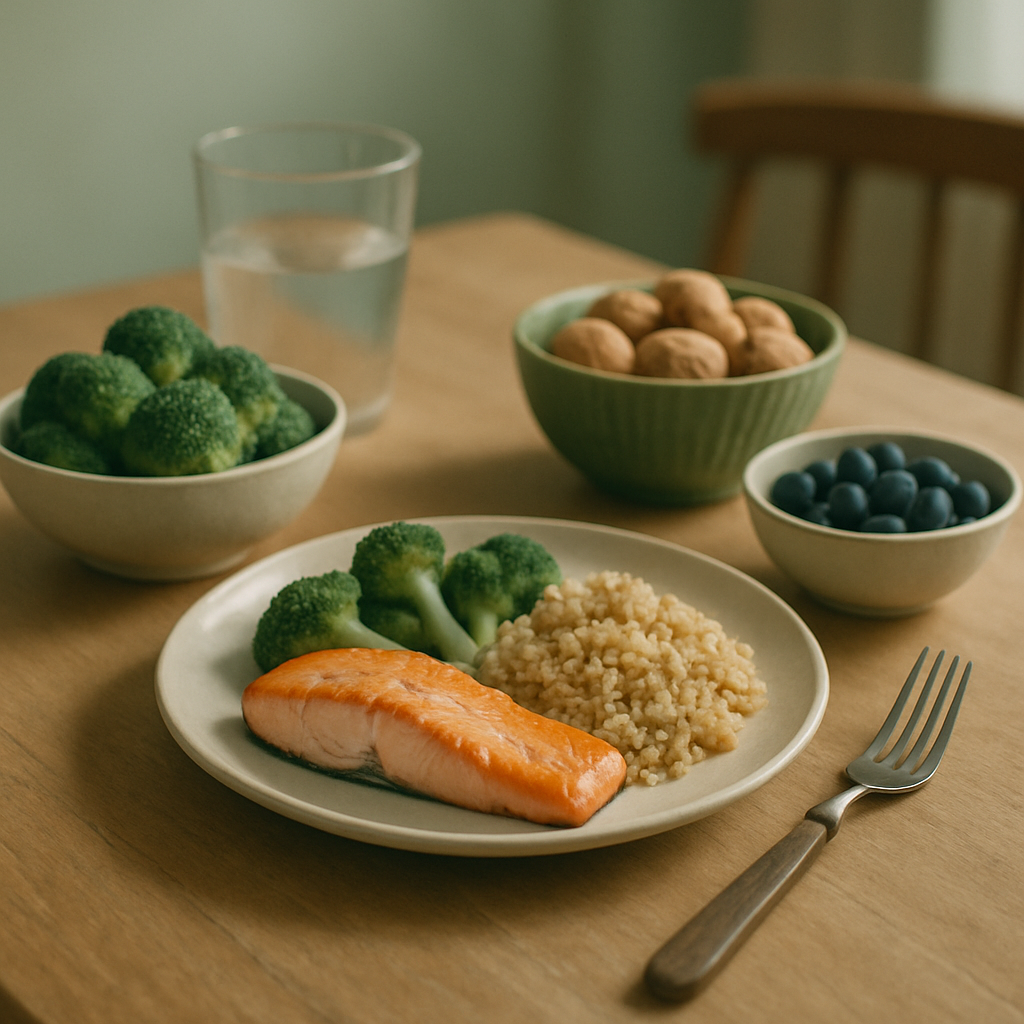
Salmon, sardines, mackerel, and tuna are the most potent sources of omega-3 fatty acids, specifically DHA (docosahexaenoic acid) and EPA (eicosapentaenoic acid). A 2022 study published in *Neurology* found that people with higher blood omega-3 levels had greater brain volume and performed better in memory tests.
My recommendation: At least 2-3 servings of fatty fish per week. Canned sardines are an economical and perfectly valid option.
### 2. Blueberries: Small but Mighty
Blueberries contain anthocyanins, a type of flavonoid with powerful antioxidant properties. Research from the University of Exeter showed that regular blueberry consumption improves cerebral blood flow and working memory in adults.
The interesting part is that frozen blueberries retain nearly all their properties, so there’s no excuse not to have them on hand.
### 3. Walnuts: The Nut That Mimics the Brain
It’s no coincidence that walnuts look like miniature brains. They’re rich in alpha-linolenic acid (a plant-based omega-3), vitamin E, and polyphenols. A study in the *Journal of Nutrition, Health & Aging* linked regular walnut consumption with better cognitive performance in older adults.
A handful a day (about 30 grams) is enough. Add them to salads, yogurt, or just have them as a mid-morning snack.
### 4. Eggs: Choline for Memory
Eggs are one of the best sources of choline, an essential nutrient that the body uses to produce acetylcholine, a key neurotransmitter for memory and mood. A Finnish study in *The American Journal of Clinical Nutrition* found that higher choline intake was associated with better performance in verbal and visual memory tests.
Plus, eggs provide vitamins B6, B12, and folic acid, all linked to brain health. A couple of eggs a day is perfectly healthy for most people.
### 5. Turmeric: The Natural Anti-Inflammatory
Curcumin, turmeric’s active compound, can cross the blood-brain barrier and has direct anti-inflammatory and antioxidant effects on the brain. A clinical trial at UCLA published in *The American Journal of Geriatric Psychiatry* showed that curcumin improved memory and attention in middle-aged adults after 18 months of supplementation.
The trick is to combine it with black pepper, which contains piperine and increases curcumin absorption by up to 2000%. Add it to stews, rice dishes, or make a golden latte.
### 6. Broccoli: Vitamin K for the Brain
Broccoli is exceptionally rich in vitamin K, which participates in the formation of sphingolipids, a type of fat highly concentrated in brain cells. It also contains glucosinolates that reduce oxidative stress and the risk of neurodegenerative diseases.
Other cruciferous vegetables like cauliflower, Brussels sprouts, and kale share these properties, so you can switch it up as you like.
### 7. Dark Chocolate: Pleasure with Benefits
Cocoa contains flavonoids, caffeine, and theobromine—a combination that enhances memory, mood, and mental processing speed. A 2020 meta-analysis published in *Nutrients* confirmed that regular cocoa consumption improves cognitive function, especially in tasks requiring sustained attention.
That said, we’re talking about chocolate with at least 70% cocoa. Milk chocolate has too much sugar and too little cocoa to deliver these benefits.
### 8. Avocado: Healthy Fats for Better Thinking
Avocado is rich in monounsaturated fats that promote healthy blood flow to the brain. A Tufts University study published in *Nutrients* found that adults who ate one avocado a day for six months improved their working memory and problem-solving abilities.
Half an avocado a day is a good amount. On toast, in salads, or just with a bit of salt and lime.
### 9. Green Tea: L-Theanine for Focus
Green tea contains L-theanine, an amino acid that increases alpha brainwave activity, fostering a relaxed alertness ideal for concentration. Combined with the tea’s natural caffeine, it creates what many researchers consider the perfect synergy for mental performance.
Unlike coffee, green tea doesn’t cause energy spikes and crashes. The stimulation is gentler and more sustained.
### 10. Pumpkin Seeds: Essential Minerals
Pumpkin seeds contain zinc, magnesium, copper, and iron—four minerals critical for brain function. Zinc deficiency has been linked to depression and memory problems. Magnesium is essential for learning and memory. Copper is involved in controlling nerve signals.
A couple of tablespoons a day, raw or lightly toasted, is all you need.
### 11. Oranges and Citrus Fruits: Protective Vitamin C
A single large orange covers nearly all the vitamin C you need in a day. This antioxidant is vital in preventing age-related mental decline. A study published in *Nutrients* in 2021 found that adequate blood vitamin C levels were tied to better performance in attention, memory, and decision-making tasks.
### 12. Legumes: Stable Energy for the Brain
Lentils, chickpeas, and beans provide slow-releasing glucose, keeping brain energy levels steady for hours. They’re also rich in folate, iron, and magnesium. A well-fueled brain with constant energy performs much better than one subjected to sugar highs and crashes.
## Foods That Harm Your Memory (and That You Might Eat Every Day)
Just as important as knowing what to eat is knowing what to avoid. These foods have been shown to negatively affect cognitive function:
**Excess refined sugar.** A UCLA study found that high-sugar diets slow the brain, affecting memory and learning. Soft drinks, packaged pastries, and processed snacks are the main culprits.
**Trans fats.** Found in margarine, industrial fried foods, and many ultra-processed products. They’ve been linked to a higher risk of Alzheimer’s and poorer cognitive performance.
**Excess alcohol.** Chronic alcohol consumption shrinks brain volume and damages memory. While moderate and occasional drinking doesn't seem to cause significant harm, the line between moderate and excessive is finer than we think.
## Practical Weekly Plan: How to Add These Foods
It’s useless to know about the best foods if you don’t know how to incorporate them realistically. Here’s a simple weekly outline:
**Breakfast:** Alternate between scrambled eggs with turmeric (Monday, Wednesday, Friday) and yogurt with blueberries and walnuts (Tuesday, Thursday). On weekends, have avocado toast.
**Mid-morning:** A handful of pumpkin seeds or walnuts with a green tea.
**Lunch:** Include legumes at least 3 times a week. Always pair with broccoli or another cruciferous vegetable and have an orange for dessert.
**Dinner:** Fatty fish 2-3 times a week. The rest of the nights, have mixed salads with avocado.
**Night snack:** Two squares of dark chocolate (70% or higher).
This plan doesn’t require complicated cooking, isn’t expensive, and covers all the key nutrients for your brain. You can adapt it to your tastes—what matters is keeping it varied.
## Consistency Matters More Than Perfection
It’s not about obsessing over any magical food. It’s about consistently having a varied, nutrient-rich diet. The cognitive benefits of good nutrition don’t show up overnight, but they add up—and according to current evidence, they can make a real difference in the long run.
Your brain is the most complex organ in your body. It deserves to be well fed.