 10 min read
Anti-inflammatory foods for healthy joints
 Equipo TriwellMarch 2, 202610 min
When your joints start to complain—that morning stiffness that just won’t go away, the creakiness when climbing stairs, the vague discomfort after a long walk—the first thing we usually do is reach for an anti-inflammatory from the medicine cabinet. There's nothing wrong with that as a temporary fix. But there’s something many people overlook: what you eat every day has a direct and cumulative impact on inflammation in your joints.
I’m not talking about miracle diets or overpriced superfoods. I’m talking about solid scientific evidence, from studies published in journals like The Lancet Rheumatology or the American Journal of Clinical Nutrition, showing that certain eating patterns reduce inflammatory markers like C-reactive protein (CRP) and interleukin-6 (IL-6).
Let’s take a closer look, food by food, with practical ideas so this doesn’t just stay theoretical.
## Why Joints Become Inflamed (and What Food Has to Do With It)
Joint inflammation is an immune system response. It can be acute—a bump, an injury—or chronic, as with rheumatoid arthritis, osteoarthritis, or lupus. In chronic inflammation, your body releases pro-inflammatory cytokines continuously, which breaks down cartilage and causes lingering pain.
According to a meta-analysis published in Nutrients (2021), the Mediterranean diet reduces CRP levels by 20% to 30% in people with inflammatory diseases. That’s no small thing. It means what you put on your plate can be as relevant as certain medications, especially in early stages.
## The 10 Most Anti-Inflammatory Foods for Your Joints
### 1. Salmon and Oily Fish
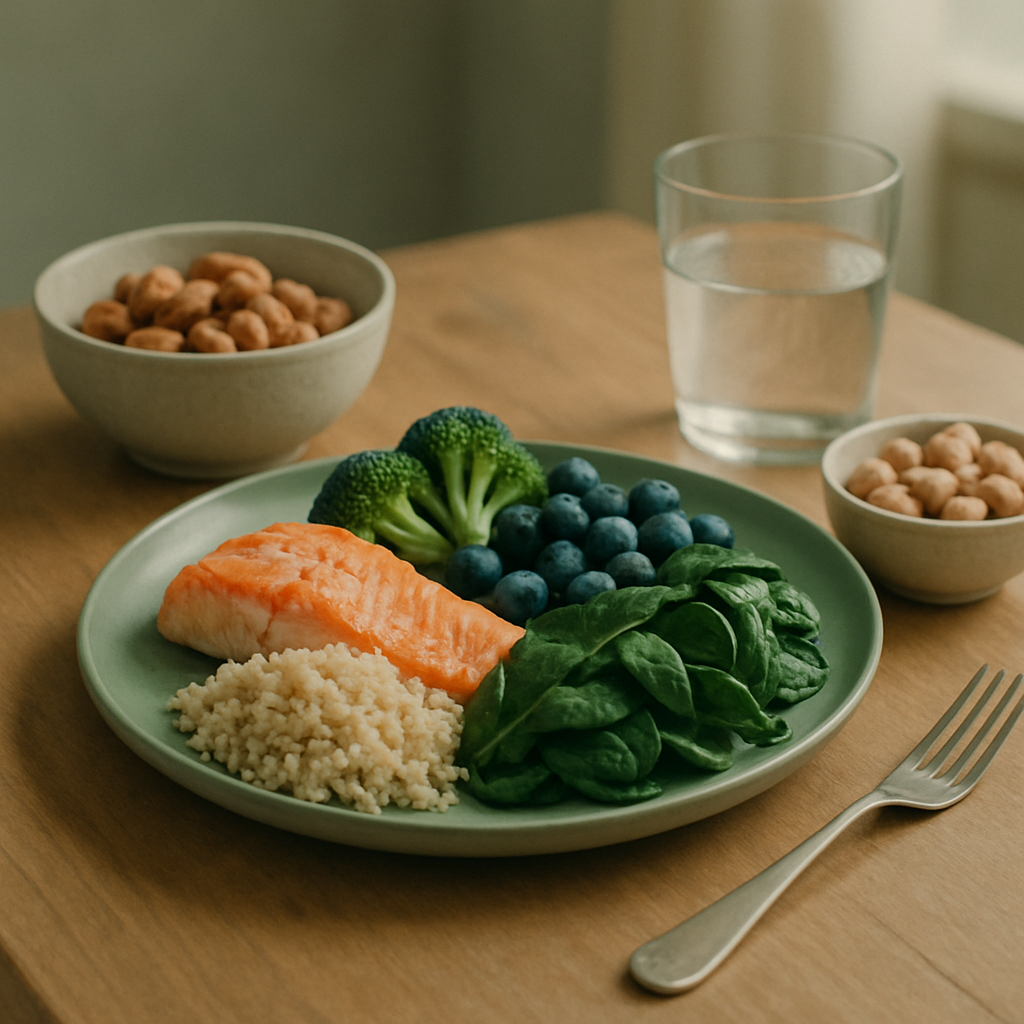
Omega-3 fatty acids (EPA and DHA) are probably the most studied anti-inflammatory nutrients out there. A British Journal of Nutrition study found that eating 2-3 servings of oily fish per week significantly reduces morning stiffness in people with rheumatoid arthritis.
Don’t just stick to salmon. Sardines, mackerel, herring, and anchovies are more affordable options with lower mercury content. Here’s a tip: canned sardines with bones also provide bioavailable calcium—a double benefit.
### 2. Extra Virgin Olive Oil (EVOO)
Oleocanthal, a phenolic compound in extra virgin olive oil, acts similarly to ibuprofen by inhibiting the COX-1 and COX-2 enzymes. Researcher Gary Beauchamp and his team discovered this in a study published in Nature (2005). But it only works with high-quality EVOO—the kind that tingles your throat as you swallow it. That tingle is precisely the oleocanthal.
Recommended amount: 3–4 tablespoons per day, preferably raw. Use it to dress salads, on toast, or as a base for vinaigrettes.
### 3. Turmeric (with Black Pepper)
Curcumin, turmeric’s active ingredient, has well-documented anti-inflammatory properties. A clinical trial published in the Journal of Medicinal Food (2016) found that 1,500 mg of curcumin daily was as effective as 1,200 mg of ibuprofen for knee osteoarthritis pain.
The catch: curcumin is poorly absorbed. The solution is to combine it with black pepper (piperine), which increases its bioavailability by up to 2,000%. That’s why the classic “golden milk” always includes a pinch of pepper.
### 4. Berries: Blueberries, Cherries, and Raspberries
Anthocyanins—the pigments giving berries their color—are powerful antioxidants that neutralize free radicals involved in cartilage breakdown. A study from the University of Oregon found that drinking tart cherry juice for 6 weeks reduced CRP levels by 25% in women with osteoarthritis.
Cherries deserve a special mention: besides anthocyanins, they contain compounds that lower uric acid levels, making them allies against gout.
### 5. Broccoli and Cruciferous Vegetables
Sulforaphane, a compound found in broccoli, cauliflower, Brussels sprouts, and kale, blocks enzymes that destroy joint cartilage. A study from the University of East Anglia published in Arthritis & Rheumatism proved this effect both in vitro and in animal models; human trials are underway.
Practical tip: sulforaphane is best activated when broccoli is eaten raw or steamed for a maximum of 3–4 minutes. Overcooking destroys myrosinase, the enzyme that converts it to its active form.
### 6. Walnuts
Walnuts combine plant-based omega-3s (alpha-linolenic acid), polyphenols, and vitamin E. A handful a day (about 30 grams, or 7 walnuts) is enough for benefits. A longitudinal study from the Harvard T.H. Chan School of Public Health linked regular walnut consumption with lower inflammatory marker levels over 5 years.
### 7. Ginger
Ginger contains gingerols, compounds with proven anti-inflammatory action. A 2015 meta-analysis published in Osteoarthritis and Cartilage concluded that ginger supplementation moderately reduces knee osteoarthritis pain. It’s not a dramatic effect, but combined with other dietary changes, it helps.
How to use it: grated into soups, teas, stir-fries, or smoothies. Pickled ginger, Japanese-style, also works as a side.
### 8. Legumes
Chickpeas, lentils, beans, and pulses provide fiber, plant protein, and phenolic anti-inflammatory compounds. They also feed beneficial gut bacteria, and there’s growing evidence that a balanced gut microbiome modulates systemic—including joint—inflammation.
Don’t underestimate a lentil stew with vegetables. It’s one of the most anti-inflammatory, affordable, and easy-to-make meals out there.
### 9. Spinach and Leafy Greens
Rich in vitamin K, essential for bone mineralization and cartilage health. They also contain kaempferol, a flavonoid that inhibits production of inflammatory cytokines. A Journal of Nutrition study found that people with higher vitamin K intake had a lower risk of developing knee osteoarthritis.
### 10. Garlic
Garlic’s allicin boasts anti-inflammatory and antimicrobial properties. A King’s College London study with over 1,000 female twins found that those who ate more garlic and other alliums (onion, leek) had a lower prevalence of hip osteoarthritis.
## Foods to AVOID if Your Joints Hurt
What you subtract is as important as what you add. These foods promote inflammation:
- **Added sugars and ultra-processed foods:** They trigger the production of AGEs (advanced glycation end-products), which speed up cartilage breakdown. - **Trans fats and refined seed oils:** They skew the omega-6/omega-3 ratio towards a pro-inflammatory profile. - **Excess alcohol:** Raises intestinal permeability and uric acid levels. - **Processed meats:** Cold cuts, sausages, and bacon contain nitrites and saturated fats that fuel the inflammatory cascade.
## Sample Day: Anti-Inflammatory Menu for Joint Health
So this doesn’t just become a shopping list, here’s a realistic example of a daily menu:
**Breakfast:** Wholegrain toast with EVOO, grated tomato, and a pinch of turmeric. Ginger and lemon tea.
**Mid-morning:** A handful of walnuts (7 units) and a kiwi.
**Lunch:** Lentils with spinach, carrot, and garlic. Grilled sardines with a salad of raw broccoli and cherry tomatoes as a main. Fresh fruit for dessert.
**Snack:** Natural yogurt with blueberries and chia seeds.
**Dinner:** Oven-baked salmon with turmeric and black pepper, served with steamed cauliflower and a generous drizzle of EVOO.
This isn’t a sacrifice. It’s classic Mediterranean food, with a few strategic tweaks.
## How Long Until You Notice Results?
Let’s be honest: changing your diet isn’t like popping a painkiller. You won’t feel effects the next day. Most studies report significant improvements after 4–6 weeks of following an anti-inflammatory eating pattern consistently. Some people notice changes sooner, especially if their previous diet was very pro-inflammatory.
What I can say, after reviewing dozens of studies and speaking with specialized nutritionists, is that sustained dietary changes bring cumulative benefits. It’s not just the pain that lessens: mobility improves, sleep quality increases, and general mood lifts. When you lower systemic inflammation, your whole body takes notice.
## Conclusion: Your Pantry as Your Ally
Joint health isn’t taken care of just in the doctor’s office. It’s also managed in the kitchen, every day, through small decisions that add up. You don’t need to spend a fortune on supplements or follow extreme diets. You need consistency, variety, and real food.
If I had to sum it up in one sentence: more oily fish, more vegetables, more EVOO, more spices, fewer processed foods. Your cartilage will thank you.